 Talleres Hub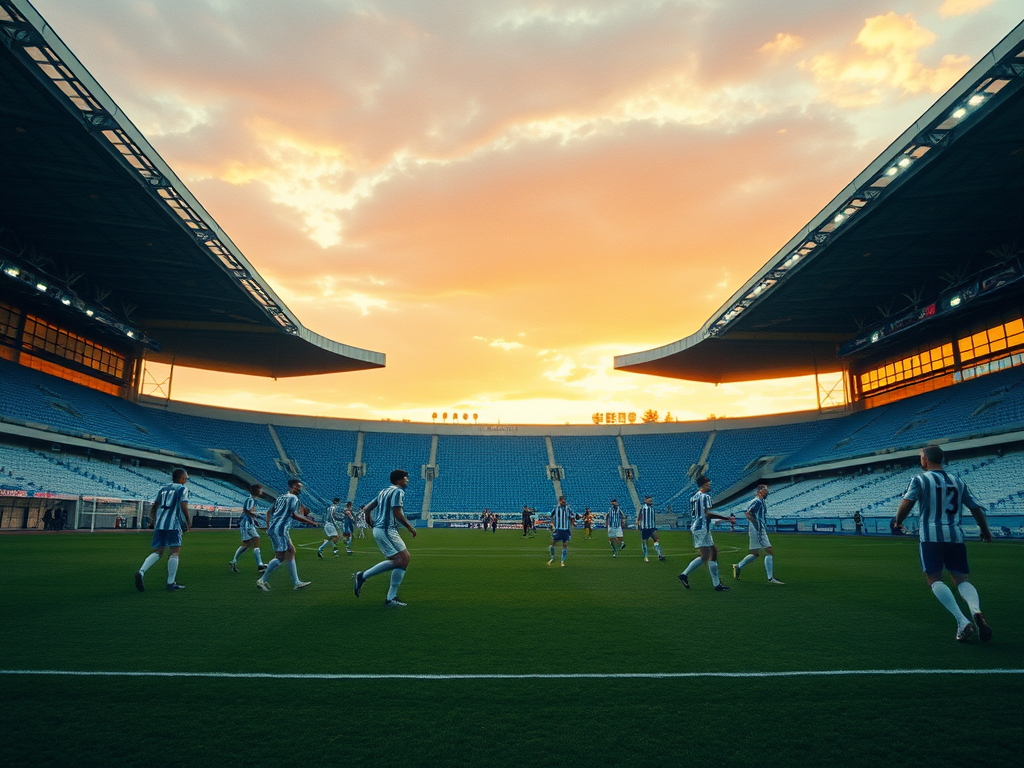
In the tapestry of Talleres' illustrious history, the 1980s stand out as a pivotal era that set the stage for the club's future successes. Emerging from the shadows of past struggles, Talleres began to carve a new identity, fueled by a mix of local talent and strategic signings that would resonate through the decades.
The decade kicked off with a renewed sense of optimism as Talleres aimed to reclaim its position among Argentina's elite clubs. The arrival of key players brought a fresh dynamic to the squad, with the likes of Omar Bravo and Jorge “Coco” Martínez showcasing their skills on the pitch. The team’s attacking prowess was evident, as they dazzled fans with a brand of football that combined flair, speed, and tactical intelligence.
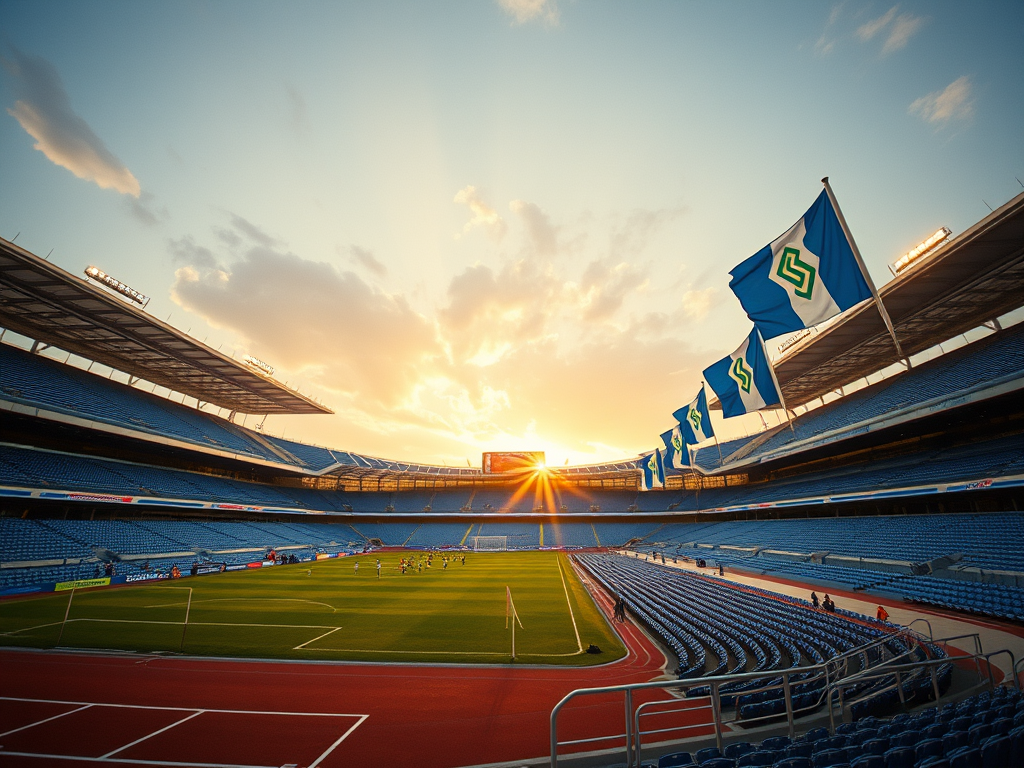
One of the defining moments of this period came in 1984 when Talleres reached the Copa Libertadores quarter-finals for the second time in its history, delivering thrilling performances against some of South America's best teams. This campaign not only placed Talleres on the continental map but also ignited a fervor among its supporters, who packed the Estadio Juan Domingo Perón week after week, transforming it into a fortress.
Despite the challenges that lay ahead, including fierce domestic competition and financial hurdles, Talleres managed to maintain a competitive edge in the Primera División. The club was not just a team but a community, as fans rallied behind their players, fostering an atmosphere that was both electrifying and supportive. The intense local derbies against Belgrano were emblematic of this spirit, as they became more than just matches; they were battles for pride and identity.
As the decade progressed, Talleres developed a reputation for nurturing young talent, with players like Raúl “Chino” González emerging from the youth ranks to contribute significantly to the first team. This commitment to developing homegrown players became a cornerstone of the club's philosophy, emphasizing the importance of local talent in achieving long-term success.
The culmination of these efforts was evident in 1989 when Talleres secured a place in the Copa Intercontinental. Though they faced formidable opponents, the mere qualification for such a prestigious tournament was a testament to the club's growth and resilience. It encapsulated the hopes and dreams of a generation of fans who had witnessed the transformation of Talleres from a struggling outfit to a respected contender.
Reflecting on the 1980s, it’s clear that this era was about more than just football; it was about community, pride, and the unwavering passion of the Talleres faithful. The legacy of this decade continues to influence the club today, as current players and management strive to honor the rich history that precedes them. Talleres remains a symbol of perseverance, embodying the spirit of Córdoba and the unbreakable bond between the club and its supporters.
As Talleres continues to forge ahead in the Liga Profesional Argentina, the lessons learned from the 1980s serve as a guiding light. The journey from a club in search of identity to a respected name in Argentine football is a narrative that every Talleres fan carries with pride, reminding us all that the heart of football beats strongest when fueled by passion, dedication, and a shared dream.